The Hidden Challenges of Managing a Vehicle Rental Business Across Europe
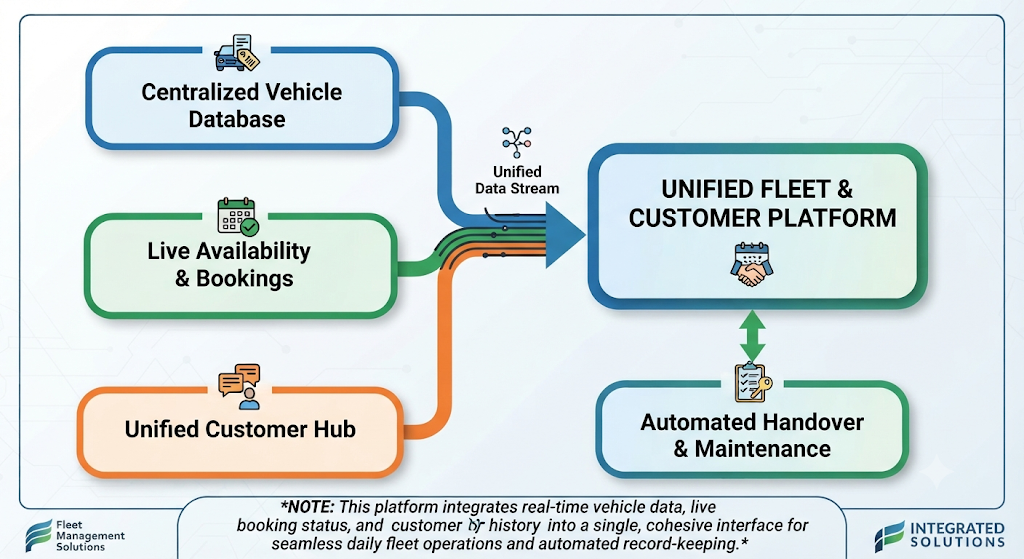
Operating a vehicle rental business across Europe often looks deceptively simple from the outside. A traveler books a car, scooter, bike, or motorcycle; picks up the keys; and sets off on a journey. Yet behind that seamless handoff lies a complex web of daily operational coordination. Whether managing a small garage in a historic European city or overseeing a dispersed fleet across regional touring routes, rental operators face a constant stream of administrative hurdles. Keeping track of maintenance cycles, fluctuating seasonal demand, vehicle handovers, and customer communication requires far more than simply putting a listing online. As the shared mobility landscape continues to evolve, understanding these hidden operational pressures is essential for anyone looking to build a sustainable rental business.
Daily Operational Pressure and Administrative Friction
The day-to-day reality of running a rental operation is defined by an intensive juggling act. From the moment an enquiry lands in an operator’s inbox, a sequence of administrative steps must execute flawlessly. Staff must verify whether a specific vehicle is prepped and ready, check its upcoming service logs, coordinate exact pickup times, and ensure that identity and license verifications are fully completed.
When these workflows rely on scattered messaging apps, email threads, and manual paper logs, administrative friction builds up quickly. A delayed response to a booking enquiry or a miscommunicated return time can trigger a chain reaction of delays, impacting the next customer in line. As operations grow past a handful of vehicles, manual record-keeping stops being a minor inconvenience and becomes a critical bottleneck that threatens business efficiency and customer satisfaction.
Booking Conflicts and Availability Gaps
One of the most persistent operational headaches for fleet managers is the management of real-time availability. Double-bookings, outdated calendar syncs, and ambiguous rental periods create immediate friction. Imagine a scenario where a vehicle is booked online while a local walk-in client is actively completing paperwork at the desk, or where a calendar fails to account for unexpected mechanical maintenance.
These gaps lead to stressful cancellations, frustrated customers, and lost revenue. Maintaining a single source of truth for fleet availability is vital. Operators need clear visibility over which assets are active, which are out for servicing, and which are reserved, ensuring that scheduling conflicts are caught and resolved long before a renter arrives to collect the keys.
Distinct Requirements Across Vehicle Categories
Different vehicle classes impose entirely different management demands on an operator. Managing a fleet of high-performance motorcycles, for instance, involves rigorous mechanical checks, specialized safety gear provisions, and strict verification of appropriate licensing endorsements.
In contrast, managing urban bicycle fleets typically revolves around high-turnover, short-duration rentals that require frequent checks on tires, chains, and brakes. Scooter rentals demand rapid turnaround times and agile battery or fuel level checks, while passenger car fleets involve structured inspection sheets, mileage tracking, and more comprehensive insurance or deposit verifications. Recognizing these category-specific needs is crucial for establishing appropriate maintenance intervals and workflow rules.
Evaluating Digital Management Tools
To combat administrative chaos, independent operators frequently turn to digital administrative tools. Implementing a reliable vehicle rental booking system is often the first step toward centralizing reservations and locking down scheduling calendars across multiple sales channels.
When evaluating software options, operators often look at various digital categories tailored to specific inventory types. For instance, businesses managing two-wheeled fleets may explore specialized bike rental software or agile scooter rental software to handle rapid daily turns, while multi-vehicle car operations look for comprehensive free car rental software packages. To lower the barrier to entry, various technology providers also promote free vehicle rental management software designed to handle customer records, listings, and operational reporting. However, operators must approach these tools pragmatically—auditing data security, export capabilities, and actual workflow alignment rather than assuming universal feature depth.
Opportunities and Realities for Independent Vehicle Owners
Beyond commercial storefronts, the modern shared mobility ecosystem draws strength from individual asset owners. Many private vehicle owners look at machinery sitting idle in driveways during the working week and consider whether to rent out my motorcycle or list my car for rent to offset depreciation, insurance, and routine maintenance costs.
While this peer-to-peer approach offers a practical way to generate utility from parked assets, it comes with genuine responsibilities. Owners must prepare their vehicles to high safety standards, maintain accurate listing details, keep availability calendars strictly updated, and handle handovers with professional care. Marketplace participation requires a genuine operational commitment, as listing an asset does not guarantee constant booking demand.
Navigating Rental Pricing and Market Factors
Establishing sustainable rental pricing requires looking well beyond a simple daily flat rate. Fleet operators and independent hosts must account for a complex mix of variables that influence overall expenses and revenue potential.
When travelers evaluate costs—such as understanding typical motorcycle rental cost Europe figures—prices fluctuate based on engine displacement, seasonal tourism peaks, regional operating overhead, and included provisions like mileage caps or basic insurance coverage. Independent providers must carefully balance these economic realities against local maintenance costs to ensure their pricing remains competitive while covering operational expenses.
The Changing Marketplace and Decentralized Networks
Connecting scattered customer demand with independent supply requires a structured digital environment. Decentralized platforms have transformed how travelers discover and secure transport, offering alternatives to rigid corporate rental counters. For enthusiasts seeking specialized regional touring options, exploring a dedicated motorcycle rental Europe category or engaging with a peer to peer motorcycle rental Europe network provides direct access to unique, well-cared-for machines.
Platforms like MotoShare Europe operate within this space as Europe-focused online marketplaces connecting renters with independent vehicle owners and participating local providers across motorcycles, bikes, scooters, and cars. By encouraging transparent arrangements and direct connections, these marketplaces help bridge regional gaps, while operators must keep expectations grounded regarding localized inventory concentrations.
Actionable Steps for Operational Improvement
To reduce administrative friction and elevate the day-to-day rental experience, operators can implement several practical improvements:
- Audit Listing Accuracy: Regularly review vehicle descriptions, photos, and specifications to ensure they match physical asset conditions precisely.
- Centralize Reservation Tracking: Move away from scattered spreadsheets by adopting synchronized calendar tools to eliminate double-bookings.
- Establish Clear Communication Protocols: Set up structured messaging templates and pre-rental checklists to confirm pickup timing and handover logistics smoothly.
- Maintain Rigorous Maintenance Logs: Keep digital records of every service, inspection, and repair to protect both fleet longevity and renter safety.
Conclusion
Managing a vehicle rental business across Europe is an intricate balancing act that demands discipline, accurate data, and reliable tools. Whether operating a small regional fleet or sharing an individual asset through a digital platform, success relies on seamless coordination behind the scenes. By replacing manual friction with structured organization, accurate information, and appropriate digital management tools, operators can streamline their workflows and deliver a dependable, stress-free rental experience for every traveler.
Leave a Reply