Building Better Events Through Accessibility, Inclusion and Attendee Experience
Introduction
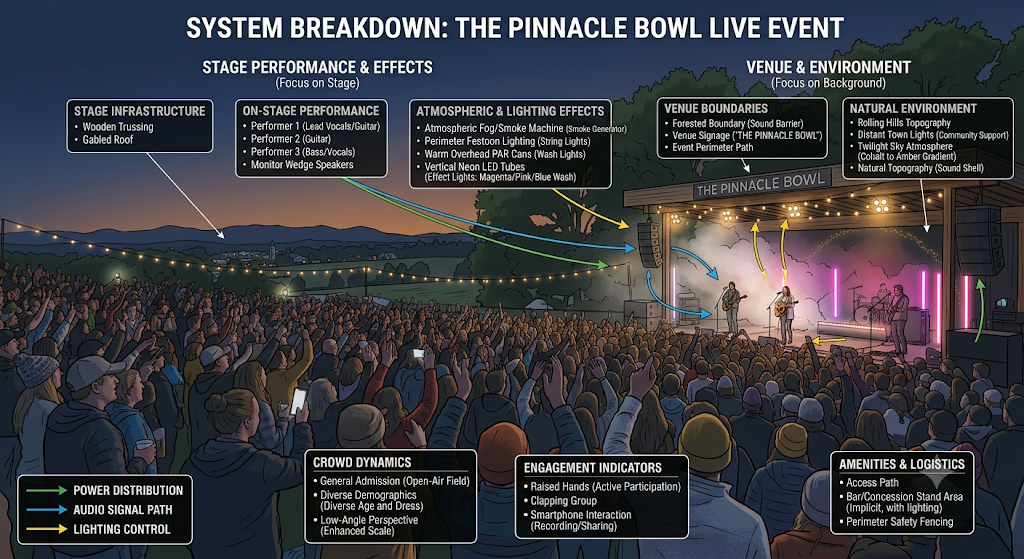
Live public gatherings hold a unique power to unite communities, spark creativity, and foster professional growth across the United States. Whether it is an open-air cultural festival in a neighborhood park, an intimate live music showcase, or a multi-day educational conference, these shared experiences shape our social fabric. However, the true success of any gathering is measured not only by ticket sales or attendance numbers, but by how welcome every single participant feels from the moment they arrive.
Creating truly memorable live experiences requires a deliberate commitment to accessibility and inclusion. When event organizers design spaces, communications, and digital workflows with diverse human needs in mind, they remove invisible barriers that too often prevent individuals from participating fully. Shifting the focus toward inclusive event design ensures that public gatherings reflect the rich diversity of the communities they serve.
Why Accessibility Matters at Public Events
Accessibility is often viewed through a narrow lens, limited strictly to physical ramps or designated wheelchair spaces. In reality, true accessibility encompasses a wide spectrum of physical, sensory, cognitive, and communication needs. When public events prioritize inclusive design, they open their doors to a broader audience—including older adults, families with young children, individuals with temporary injuries, and people living with sensory or neurodivergent conditions.
Fostering an inclusive environment transforms a standard public gathering into a welcoming community space. Attendees who feel seen, supported, and accommodated are far more likely to engage deeply with the programming, connect with fellow participants, and return for future events. Accessibility is not merely an optional add-on or a compliance checklist item; it is a foundational pillar of thoughtful event design.
Making Event Venues More Accessible
The physical environment sets the baseline for an attendee’s comfort and confidence. Organizers must look critically at venue infrastructure long before the first guest walks through the doors.
Navigating Physical Spaces
Venues must provide seamless pathways free of unexpected steps, narrow bottlenecks, or heavy doors that lack automatic openers. Wheelchair access extends beyond ramps to include adequate turning radiuses in aisles, accessible viewing platforms at concerts, and step-free routes across outdoor festival grounds. Furthermore, clear wayfinding signage featuring high-contrast lettering and universal symbols helps guests navigate complex spaces independently.
Restrooms, Seating, and Transportation
Accessible restrooms must be fully functional, well-lit, and spacious enough to accommodate mobility devices comfortably. Seating arrangements should offer variety, including companion seating options and fixed chairs interspersed with open spaces so guests using wheelchairs are not relegated to isolated corners. Additionally, considering proximity to public transit stops, accessible parking bays, and drop-off zones ensures that the journey to the venue is just as manageable as the event itself.
Inclusive Communication Before an Event
An inclusive attendee journey begins weeks before the actual date, starting with how event information is published and shared. Clear, proactive communication empowers participants to make informed decisions about their attendance.
Transparent Event Details
Attendees should never have to guess about venue layouts, strobe lighting usage, ambient noise levels, or seating configurations. Publishing detailed accessibility guides directly on digital event pages allows guests to prepare in advance. When organizers use platforms to List Your Event Online USA, providing comprehensive logistical details ensures that people searching for Upcoming Events in USA can verify whether an environment matches their specific requirements.
Schedules and Digital Formats
Digital agendas, maps, and informational handouts should be formatted cleanly for screen readers and mobile devices. Providing advanced copies of presentation slides or performer setlists can also assist attendees who benefit from previewing content or managing sensory sensitivities.
Supporting Different Attendee Needs
Every crowd is composed of individuals with unique preferences, dietary habits, sensory profiles, and participation styles. Anticipating these variations demonstrates genuine respect for the audience.
- Dietary and Health Accommodations: Food festivals, corporate banquets, and community gatherings must account for common dietary restrictions—such as vegan, gluten-free, or allergen-aware options—clearly labeling food stations to protect attendee health.
- Sensory Considerations: Providing designated quiet zones or sensory-friendly breakout spaces allows guests experiencing sensory overload to step away, decompress, and return to the experience refreshed.
- Language and Communication Support: Depending on the scale of the gathering, providing multi-lingual signage, printed translation summaries, or digital assistance tools ensures non-native speakers feel included.
Improving the On-Site Experience
On the day of the event, frontline staff and volunteers play a critical role in maintaining an inclusive atmosphere. Operational readiness turns good intentions into a smooth reality.
Staff Training and Hospitality
Event staff should receive briefing on disability etiquette, assisting guests with service animals, operating lifts, and directing attendees politely to accessible amenities. A compassionate, knowledgeable staff member can instantly defuse potential friction points and put a hesitant guest at ease.
Streamlined Entry and Check-In
Long, unorganized queues can cause physical fatigue and anxiety for many attendees. Implementing smooth check-in procedures—whether supporting digital passes secured through an Online Event Ticket Booking USA portal or managing fast-moving welcome desks—keeps arrival stress-free and welcoming.
Using Digital Platforms to Improve Event Information
Navigating the vast landscape of public gatherings can be overwhelming for individuals seeking events tailored to their lifestyle, schedule, or accessibility needs. This is where modern digital infrastructure plays a supportive role.
Centralized discovery platforms help users browse local happenings, review detailed organizer notes, and check schedule logistics in one place. Whether someone is looking up casual Events Near Me for the weekend or exploring specialized cultural calendars such as Events in New York City, transparent online information bridges the gap between curious audiences and upcoming community experiences. Similarly, music fans searching for verified Concert Tickets USA benefit greatly from platforms that display clear venue accessibility policies alongside standard seating charts.
Accessibility Considerations for Event Organizers
- [ ] Audit the venue for step-free routes, accessible restrooms, and functional elevators.
- [ ] Publish clear, detailed accessibility information on all event listing pages.
- [ ] Train on-site staff and volunteers in disability etiquette and guest assistance.
- [ ] Provide designated quiet spaces or sensory-friendly zones where applicable.
- [ ] Ensure digital ticketing and registration workflows are mobile-friendly and accessible.
- [ ] Offer varied seating options, including companion spaces and accessible viewing areas.
- [ ] Collect attendee feedback post-event specifically regarding inclusion and accessibility.
Common Accessibility Challenges and Practical Solutions
| Common Event Challenge | Practical Approach |
| Incomplete Venue Details | Publish upfront accessibility guides detailing ramps, restrooms, and transit links. |
| Long Queues and Crowds | Implement digital check-in tools, timed entry slots, and priority seating lanes. |
| Sensory Overload | Establish quiet breakout areas away from main stages and loud speaker arrays. |
| Unclear Dietary Options | Clearly label food and beverage ingredients across all catering stations. |
Frequently Asked Questions
- Why is venue accessibility important for public gatherings? Accessibility ensures that individuals with mobility aids, sensory sensitivities, or temporary injuries can participate comfortably alongside every other member of the community.
- How can organizers communicate accessibility details to attendees? Organizers should publish clear logistical details—including parking, entrance ramps, restroom locations, and seating layouts—directly within their event descriptions and ticketing pages.
- What are sensory-friendly spaces at live events? These are designated quiet zones or low-stimulus areas where attendees can take a break from loud noises, bright lights, and large crowds to recharge.
- How do digital ticketing platforms support better event planning? They provide centralized hubs where attendees can review complete event details and secure passes online, while giving organizers tools to manage registrations and communicate logistics effectively.
Connecting Attendees with Events Through MyEventsNow USA
Bringing order to the event ecosystem requires tools that connect creators and audiences transparently. Platforms like MyEventsNow USA serve as a centralized digital space intended to connect event organizers, businesses, venues, entertainment providers, and attendees across the United States.
By facilitating intuitive event discovery, online ticket booking, and streamlined publishing workflows, digital platforms help organizers share their gatherings with wider audiences. Behind the scenes, whether an organizer is utilizing an advanced Event Ticketing Platform USA, configuring attendee details via specialized Event Registration Software USA, or leveraging comprehensive Event Management Software USA to coordinate logistics, technology ultimately serves a single human purpose: making public gatherings more organized, transparent, and accessible to all.
Leave a Reply